
External counterpulsation therapy (ECP) is a noninvasive treatment that improves blood flow to your heart and helps relieve chest pain (angina) or symptoms of congestive heart failure. At California Cardiac Institute, we combine advanced medicine with healthy lifestyle guidance to help you live longer, healthier, and more active lives.
Improve Heart Health Through Better Blood Flow
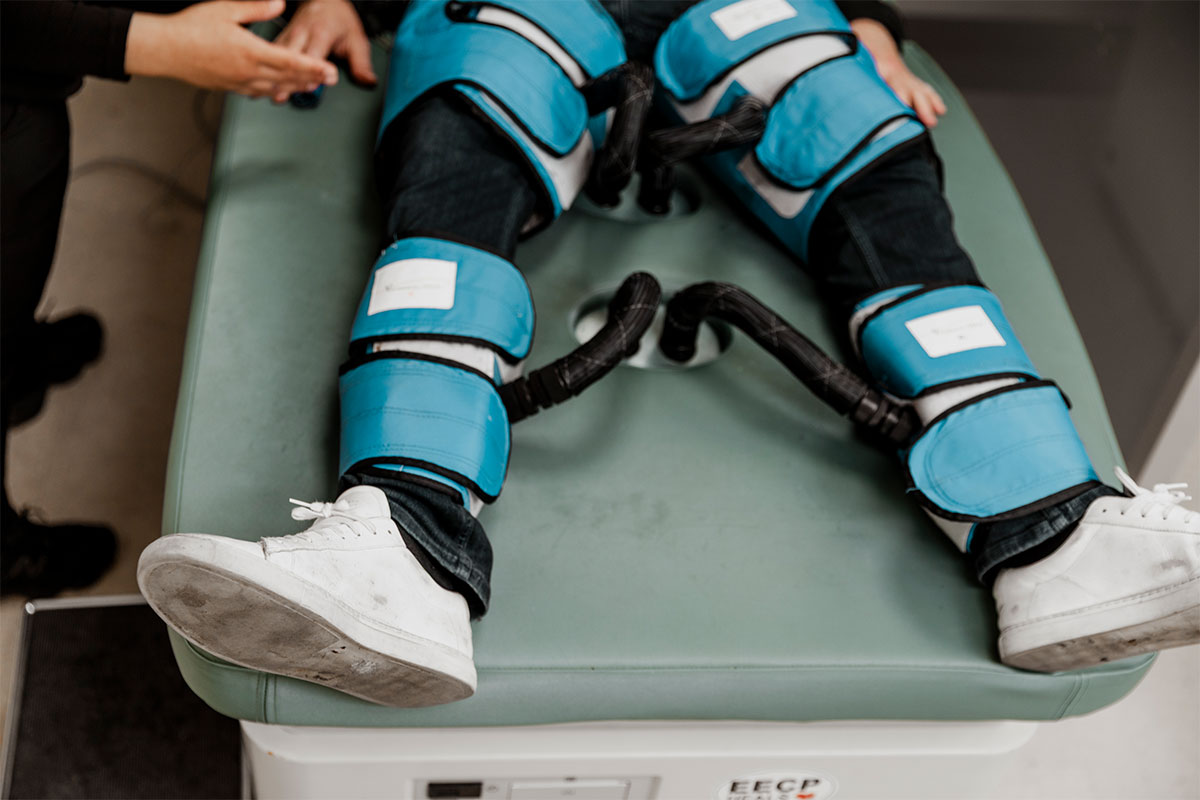
External counterpulsation therapy (ECP) is a safe outpatient treatment that aims to improve blood circulation and reduce chest pain (angina) caused by poor blood flow to the heart. During external counterpulsation in Los Angeles, inflatable cuffs are placed around your legs and inflate in rhythm with your heartbeat, pushing oxygen-rich blood back toward your heart. This helps open existing vessels and encourages new pathways for blood to flow, thus easing symptoms and improving stamina.
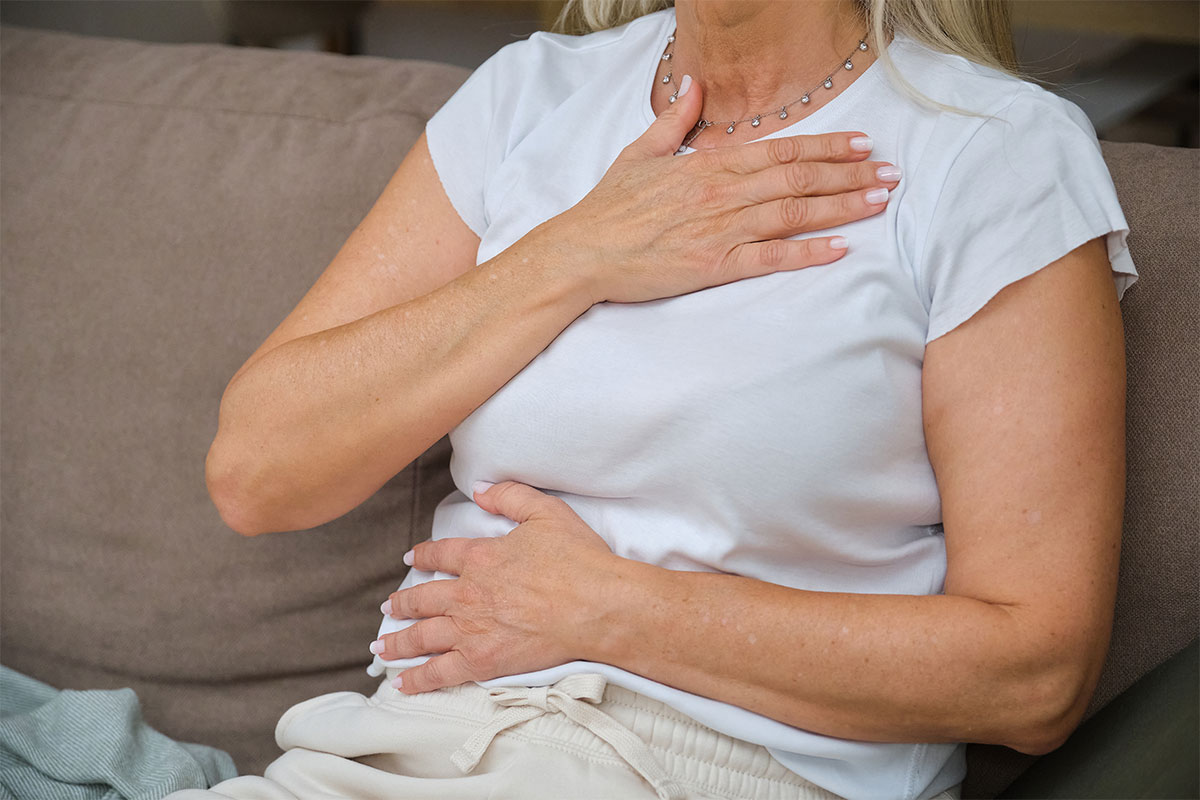
External Counterpulsation Therapy (ECP) Treats:
- Stable angina (chest pain or pressure during activity or stress)
- Symptoms of congestive heart failure
- Reduced blood flow to the heart muscle
- Chest pain that does not improve with medications
- Ongoing angina symptoms after bypass surgery, stenting, or angioplasty
Why Is External Counterpulsation Therapy (ECP) Done
External counterpulsation therapy (ECP) is performed to improve blood flow to your heart when narrowed or blocked arteries limit oxygen supply. By increasing blood flow, ECP can relieve chest pain, reduce the need for medications, and enhance your ability to stay active. It is often recommended when other treatments are not effective or when surgery is not an option.
You may need ECP if:
- You have stable angina with chest pain during exertion or stress
- You do not find relief from heart medications
- You are not eligible for bypass surgery, stenting, or angioplasty
- You continue to experience angina symptoms after heart procedures
- You have certain forms of congestive heart failure
Advantages of ECP Therapy:
- Noninvasive, outpatient treatment with no surgery required
- Relieves chest pain (angina) and improves quality of life
- Encourages the growth of new collateral blood vessels
- Enhances blood flow to the heart muscle
- Reduces reliance on angina medications
- Increases stamina and exercise tolerance
- Generally well tolerated with minimal side effects
- Suitable for patients not eligible for bypass or stenting
How Long Does a Full Course of ECP Therapy Take?
Each ECP therapy session lasts about one hour, and you typically need one session per day, five days a week, for a few weeks. A complete course usually takes seven weeks, but in some cases, it can extend to 12 weeks depending on your condition and response to treatment. The therapy works best when sessions are done consistently without interruption.
What to Expect During Your ECP Therapy
During external counterpulsation therapy in Los Angeles, you will lie on a padded table while large inflatable cuffs, similar to blood pressure cuffs, are placed around your calves, lower thighs, and upper thighs. These cuffs inflate and deflate in a precise sequence, triggered by your heartbeat, which we continuously monitor with an electrocardiogram (ECG). The cuffs inflate when your heart relaxes (diastole) to push blood upward toward your coronary arteries, and deflate just before your heart contracts (systole) to reduce the workload.
Each session lasts about one hour, usually five days a week, for several weeks. The goal is to increase oxygen-rich blood flow to the heart muscle and encourage the development of small “collateral” vessels that improve circulation long term. You may feel a strong squeeze of your legs. Our physicians carefully adjust the settings to maximize benefit and comfort.
ECP FAQs
Is ECP therapy painful?
Most patients feel a firm squeezing or pressure sensation in the legs as the cuffs inflate and deflate, but ECP therapy is generally well tolerated and should not be painful. The treatment team can adjust the pressure and settings throughout each session to help maintain your comfort while ensuring the therapy is delivered effectively.
Does insurance cover ECP therapy?
Coverage for ECP therapy varies by insurance plan and individual medical circumstances. Medicare and many private insurance plans may cover treatment for patients who meet specific eligibility criteria, particularly those with qualifying chronic stable angina. Our team can help you understand your benefits and verify coverage before treatment begins.
Can I return to normal activities after each ECP session?
Yes. ECP therapy is performed on an outpatient basis and does not typically require a recovery period or an overnight hospital stay. Most patients can return to their usual daily activities after each session. Your cardiologist may provide individualized recommendations based on your overall health and how you respond to treatment.
How soon will I notice improvement from ECP therapy?
The timeline for improvement varies from patient to patient. Some people begin noticing less frequent or less intense chest pain, increased energy, or improved exercise tolerance during the later weeks of treatment. Because ECP works progressively over the course of therapy, your cardiologist will evaluate your symptoms and response throughout your treatment plan.
Are the results of ECP therapy long-lasting?
Who is a good candidate for ECP therapy?
Precision Cardiology, Harvard-Trained
Dr. Sumita Paul is a Harvard-trained cardiologist with over 30 years of experience in cardiovascular medicine and preventive care. As a leading heart specialist in Los Angeles, she combines advanced diagnostics, evidence-based medicine, and personalized treatment strategies to help patients protect their heart health and live longer, stronger lives. At our cardiologist clinic in Los Angeles, Dr. Paul and her team offer comprehensive cardiac care, from early risk detection to long-term disease management, ensuring every patient receives the attentive, individualized treatment they deserve. Whether you’re managing an existing heart condition or focused on prevention, Dr. Paul’s expertise and compassionate approach make her one of the most sought-after cardiologists in the greater Los Angeles area.

Schedule Your Consultation
California Cardiac Institute is committed to helping you live longer, healthier, and more active lives through advanced medicine combined with lifestyle guidance. If you suffer from chest pain, angina, or congestive heart failure, our physicians may recommend external counterpulsation in Los Angeles as a safe, noninvasive option to improve circulation and reduce symptoms. We offer same-day appointments and welcome walk-ins, so you can begin your care without delay. Schedule your consultation for external counterpulsation therapy (ECP) today.